The Story
About The Seven Archetypes
A psychometric tool built for clarity, not complexity. Designed to help people understand how they naturally operate — and how to work with others who operate differently.
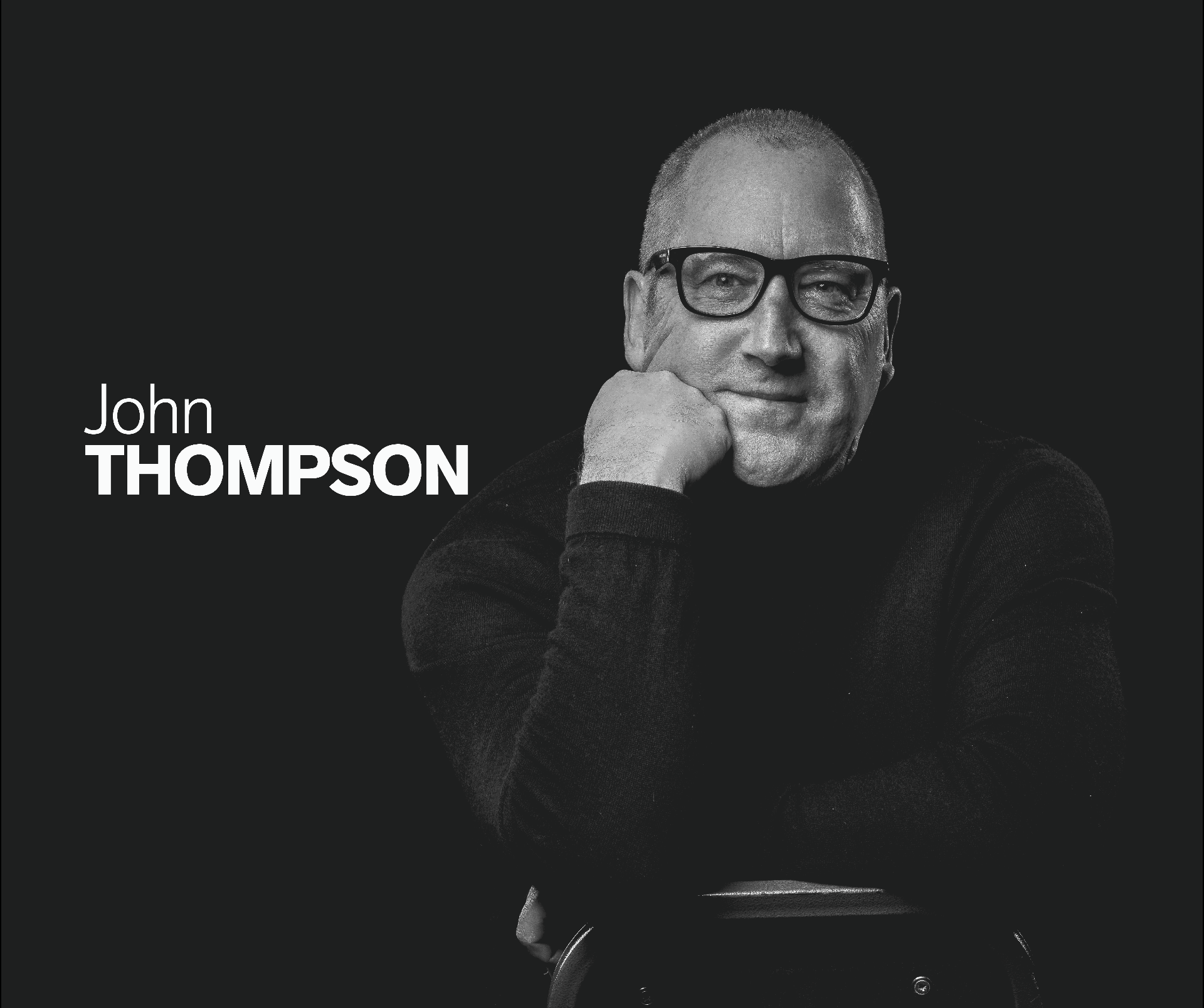
A note from John
Over more than two decades, I've had the privilege of stepping into some of the world's most extraordinary hospitality environments — from the grand scale of the world's largest cruise lines, where I worked to shape the cultures that guests never see but always feel, to the intimate craft of New York's first boutique hotel and the chic, character-driven properties that followed. What I found in every one of them was the same truth: great hospitality is never accidental. It is built, intentionally, through the people you choose, the values you hold, and the cultures you create together.
This site is for recruiters, people leaders, operators, trainers, coaches and curious minds who believe that the art of finding, growing, and keeping exceptional talent is one of the most important conversations our industry can have. It is also, honestly, a creative indulgence — a place where I finally get to write about the hotels I love visiting, the experiences that stay with you long after check-out, and the quiet details that separate the good from the truly memorable.
What this is
The Seven Archetypes is a forced-choice assessment that maps how people think, decide, and contribute in a team. It is not a personality test in the traditional sense. It is a language for describing the patterns of behaviour that show up when people are at their most natural — and their most stressed.
The framework identifies seven distinct archetypes, each with its own strengths, blind spots, and contribution to group culture. Every person who takes the assessment receives a primary and secondary archetype, producing one of twenty-one possible combinations — each with its own character and practical guidance.
Why it exists
Most workplace psychometrics are built for diagnostics. They tell you what is wrong. The Seven Archetypes was built for design — it tells you what is possible.
It was created by the team at People & Cultures to give leaders, coaches, and teams a shared vocabulary for talking about difference without pathologising it. The goal is not to fix people. It is to place them where their natural instincts become an asset.
Who it is for
The assessment is used by leadership teams designing operating cultures, coaches working with founders and executives, HR teams building development programmes, and individuals who want a clearer picture of their own contribution style. It is rigorous enough for corporate settings and human enough for one-to-one coaching.
How it was built
The framework was developed through a combination of qualitative field research — hundreds of hours of interviews with leaders and teams — and iterative psychometric refinement. The forced-choice format eliminates social-desirability bias. The 49-question length balances rigour with respect for the respondent's time.
Curious?